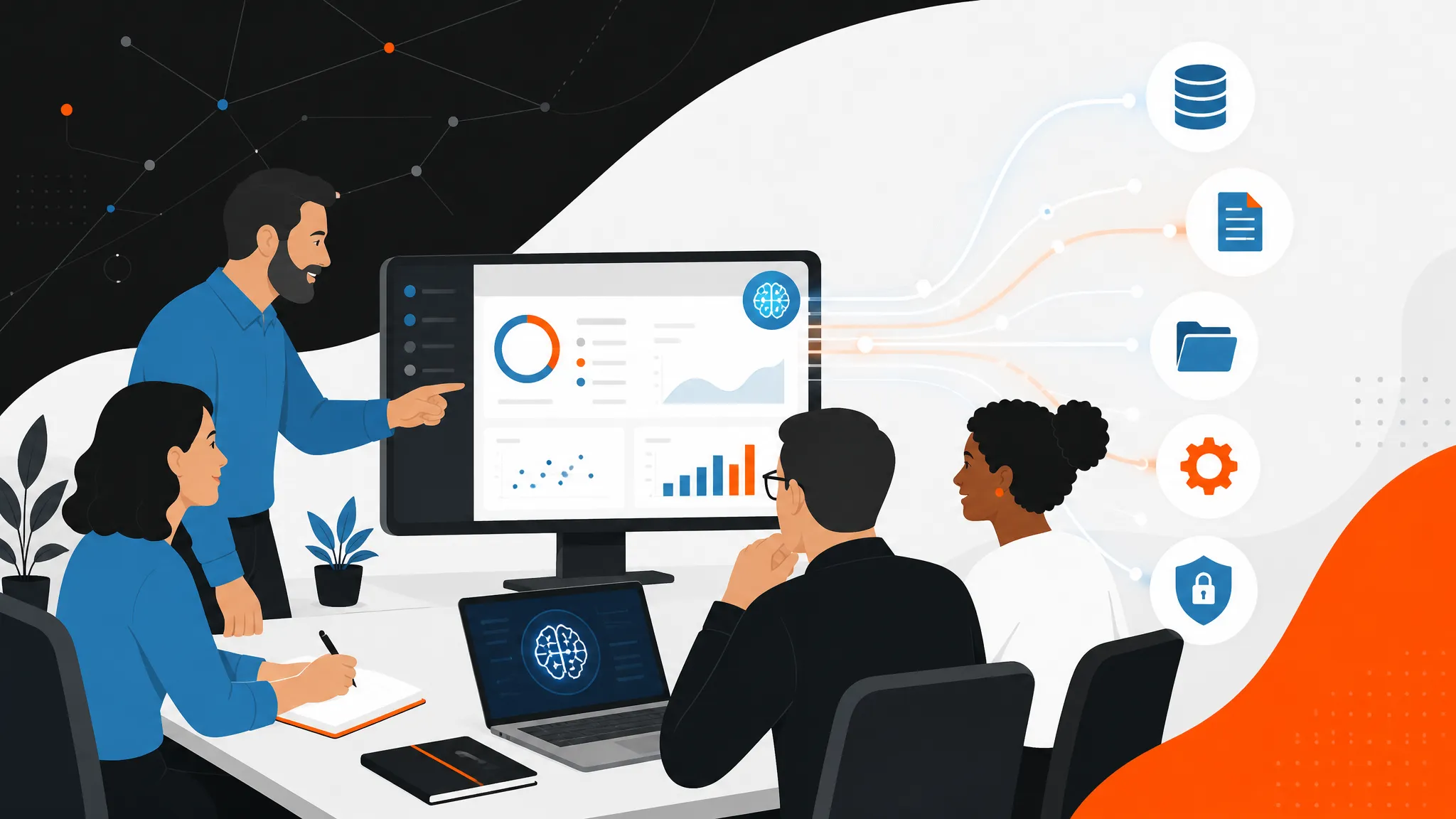
Inner Join's journey to become an AI-first company started much like many others: experimenting.
We used AI to create documents and images, support everyday work, test ideas, and see what tools like Claude, Copilot, and ChatGPT could do. Over time, that experimentation became more structured.
We learned where AI could save meaningful time, where our approach needed to change, and how to turn individual experimentation into repeatable ways of working across the organization.
We recently kicked off our six-part AI webinar series: Lessons from an AI-First Company. We explored how to move from early experimentation to practical AI implementation across an organization, sharing the lessons and practices that have shaped how we work today.
Let's discuss our three key takeaways.
Want to dive further? Watch the full webinar on-demand
1. AI Adoption Has to Go Beyond Chat
For many teams, AI implementation begins and ends with chat: open an AI tool, enter a prompt, get an answer.
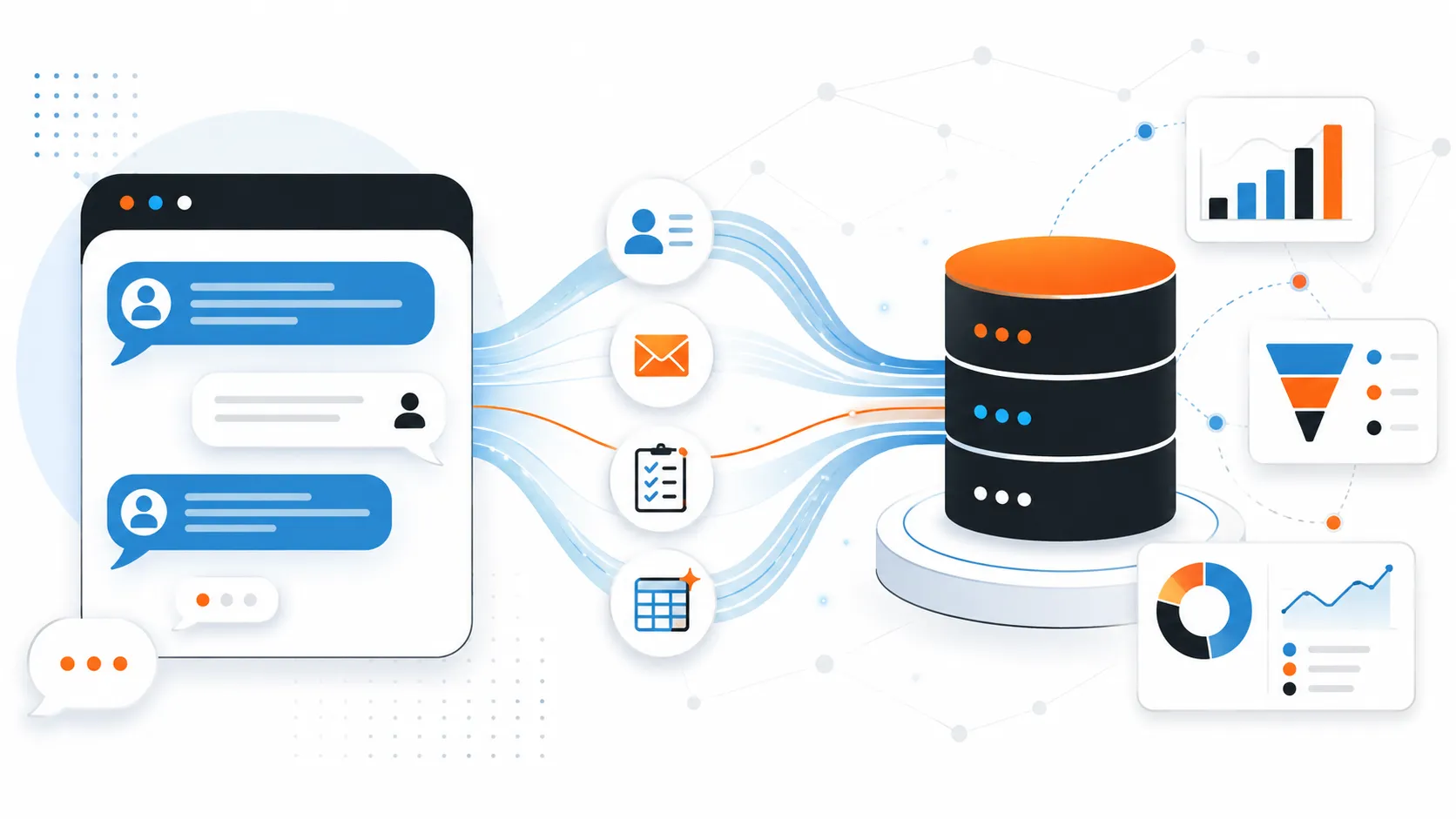
That's a useful starting point, but some of the biggest productivity opportunities come from understanding when and how to use projects, skills, and connectors. Instead of using AI for one task at a time, these capabilities can help teams build more repeatable ways of working.
One person can build a skill that formats documents, follows brand guidelines, or completes a repeatable task, then share it with five, ten, or an entire team. Instead of everyone developing their own prompts and processes, the organization can establish a shared library of skills that employees can use again and again.
It also creates more consistency.
When people have access to the same instructions and organizational context, the output can more consistently look like us, feel like us, and sound like us.
2. Start Your AI Implementation with the Right Foundation
If we were starting over, we'd take an organization-wide approach to AI from the beginning.
We initially started experimenting through individual AI accounts. As our adoption grew and we moved toward an organizational plan, that created an unexpected speed bump.
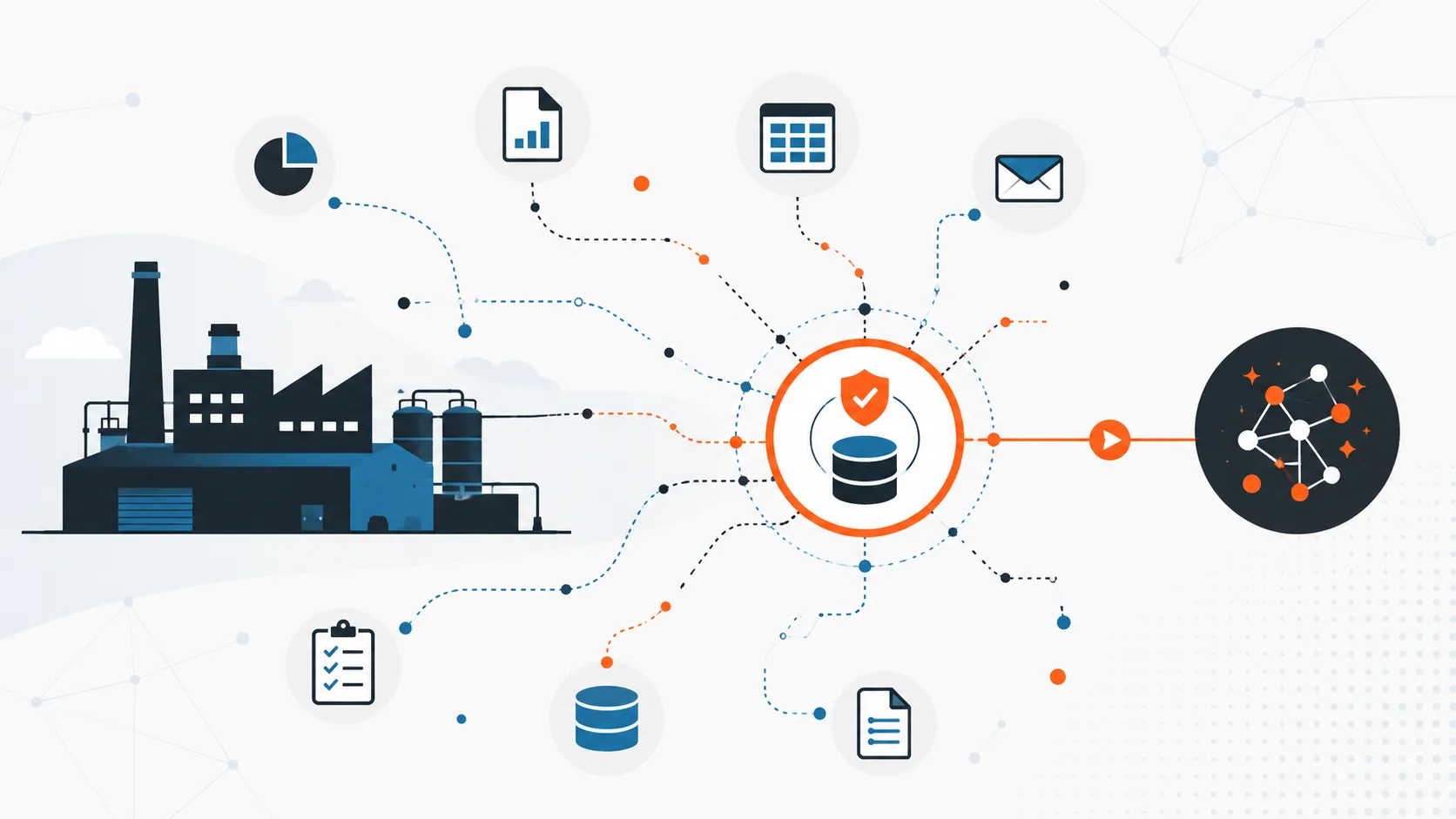
Work had to be moved. Accounts temporarily overlapped. Costs overlapped with them. And there were additional questions around security and data governance to consider.
If you see AI becoming part of how your organization operates, it's worth thinking about the foundation you're building from early on.
Consider questions like:
- Which AI platform makes the most sense for your organization?
- Does your plan support your data governance requirements?
- How will employees share successful AI workflows?
- How will you turn individual experimentation into organizational knowledge?
A strong starting point is an AI strategy and environment that can evolve as your organization learns, experiments, and grows.
3. Successful AI Adoption Keeps Humans in the Loop
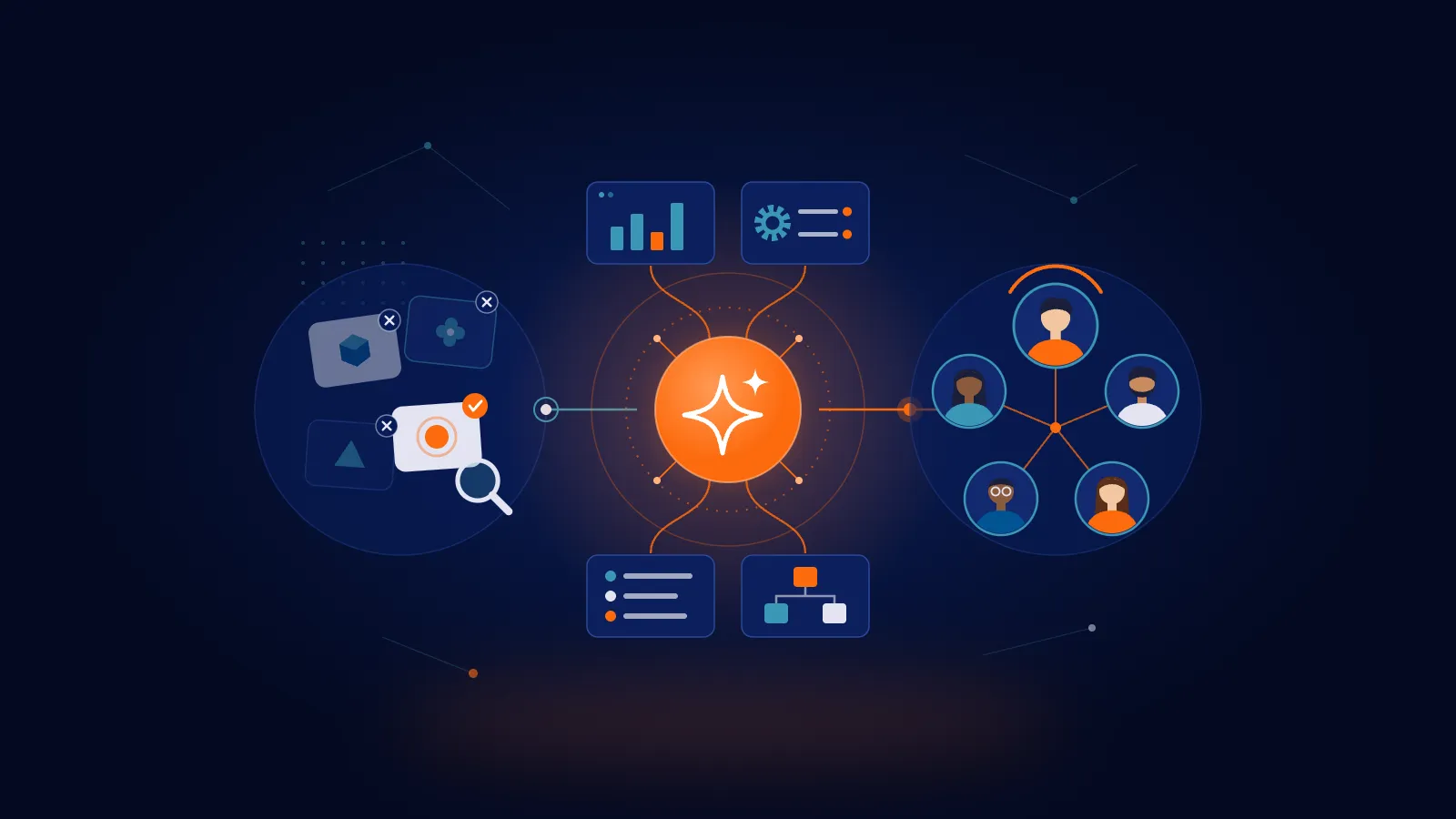
As our AI adoption matured, one principle became increasingly important: AI can do the heavy lifting, but a person should remain accountable for what it produces.
AI can accelerate research, drafting, analysis, content development, and countless internal processes. But faster doesn't automatically mean complete.
That's especially important when AI-generated work is going outside your organization.
Whether it's being sent to a customer, prospect, or lead or published publicly, our approach is to maintain human review. AI can accelerate the process, but people are still responsible for deciding whether the final output is worth putting the organization's name behind. That human input is also what keeps the content sounding like you, rather than like everyone else using the same AI tools.
For us, AI transformation is about changing where the team's time and judgment provide the most value.
Becoming an AI-First Company Is Still a Work in Progress
AI is moving too quickly for any organization to declare that they have everything figured out. The platforms will evolve. Features will change. The skills that matter six months from now may look different from the ones we rely on today.
What organizations can build is their ability to adapt.
Teach people how to use AI beyond basic chat. Turn successful experiments into repeatable processes. Give teams the right environment to work in. Let AI carry more of the workload while keeping people accountable for the outcome.
That's what AI adoption has started to look like for us.
See the Full Journey of an AI-First Company
These are only a few of the lessons we've learned along the way.
Becoming AI-first is bigger than adopting a few new tools. Throughout Lessons from an AI-First Company, our six-part AI webinar series, we're sharing what we've learned about turning AI adoption into practical change across the business from marketing to finance to software development.
The series starts with How We Became an AI-First Company, an honest look at where we started, how our AI implementation evolved, what's working today, and the lessons we'd take with us if we started over.